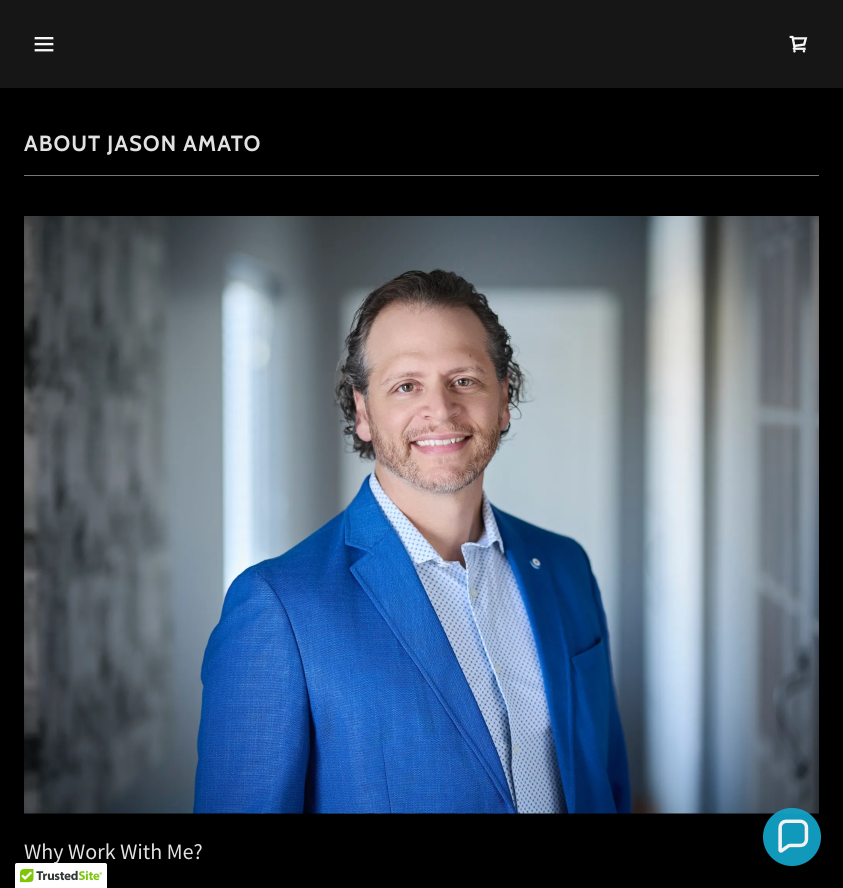
Jason Amato
Purpose > Vision > Perspective
Keynote Speaker | Inspiring Leader | Business Strategist
Home Services Hall of Fame Back-to-Back Champion | Transforming Businesses Through Operational Excellence
Transform Your Event with Jason Amato
I am a keynote speaker and workshop leader who captivates audiences with powerful storytelling, actionable strategies, and transformative insights. With decades of experience in the home services industry, I bring a unique blend of real-world expertise and motivational energy to every stage I step on.
Known for my engaging and relatable style, I seamlessly blend humor, wisdom, and real-world strategies to leave audiences inspired and equipped to take action.

Workshops & Breakout Sessions
For organizations seeking hands-on learning experiences, my workshops provide the perfect opportunity to dive deep into strategies for growth, leadership, and operational excellence.
Why Choose My Workshops?
Proven Frameworks
Systems and strategies that have been tested and refined across hundreds of home services businesses.
Customizable Content
Every workshop is tailored to your specific business challenges, industry dynamics, and growth objectives.
Actionable Takeaways
Practical exercises ensure every participant leaves equipped with strategies they can implement immediately.
Trusted by Industry Leaders
Jason has worked alongside and been endorsed by top names in home services — including Ken Goodrich (Goettl Air Conditioning), Tommy Mello (A1 Garage Door Services), Patrick Kennedy (Mr. Sparky / ESI), and Brandon Stowe (Pathway Partners Group).
Home Services Hall of Fame Inductee (SGI) · Back-to-Back Trainer of the Year (2010–2011) · #1 Nexstar Scoreboard (2001–2003) · Best of Omaha 2018
Consulting, Coaching & Training
Beyond the stage, I partner with business owners and leaders to drive growth and success through personalized consulting and coaching services.
Consulting for Teams
In-depth analysis and tailored solutions for operational challenges, team dynamics, and growth strategies.
Training Programs
Comprehensive workshops and systems for leadership development, customer service excellence, and technical training.
My consulting and coaching approach is rooted in my philosophy of aligning health, wealth, and relationships for lasting success.
Book Jason Amato for Your Next Event
Let’s Make Your Event Unforgettable

Whether you’re an event planner seeking a standout keynote speaker or a business owner looking for a partner in growth, I’m ready to deliver results.
The Story
From personal setbacks to professional triumphs, my journey is a testament to resilience and reinvention. My story resonates with audiences because it’s real, raw, and relatable.
The Impact
My approach combines heartfelt authenticity with a results-driven mindset. My speaking engagements leave audiences motivated, equipped, and ready to take their next big step.
What People Say About Jason
“I’m grateful to be associated with Jason and fully believe in his vision.”
— Mike Donovan
CEO & Founder, Search Engines MD
“I’m constantly inspired by your determination to turn setbacks into rocket fuel.”
— Brandon Stowe
CEO, Pathway Partners Group
“Jason’s frameworks transformed how we operate. Our team is more aligned, more motivated, and delivering better results than ever.”
— Home Services CEO
“Jason Amato is a man of faith who has inspired countless individuals to achieve success in their professional lives. His extensive contributions span inspirational speaking, coaching, consulting, entrepreneurship, and master electrical work. Through his leadership, he has empowered individuals to pursue their dreams and reach new heights.”
— Pathway Partners Group
Strategic Acquisitions Firm (11+ Home Service Companies)
24,000+
Customers Served
12+
Protégés Who Launched Businesses
11+
Companies in Portfolio
Hall of Fame
SGI Home Services Inductee
Watch Jason in Action
From podcast interviews to keynote highlights, see what Jason brings to every stage and conversation.
Rise and Scale Home Service Podcast
Co-hosted with Brandon Stowe
Get the Free Guide
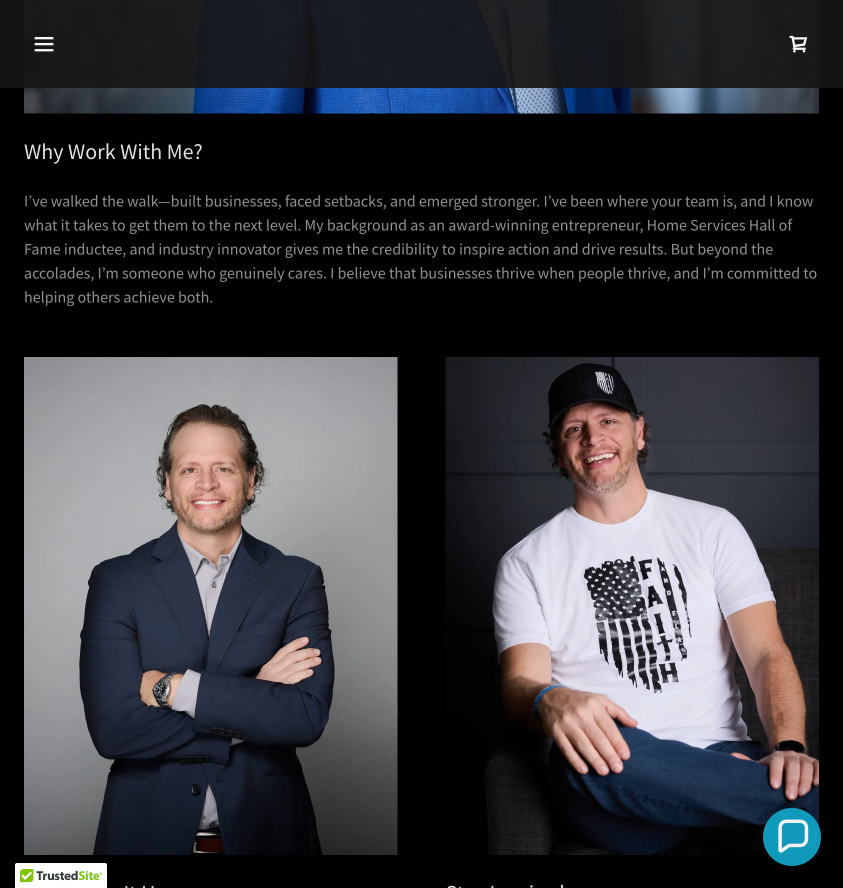
The Faith-Fitness-Leadership Trifecta: A Quick Guide to Elevating Your Business
Sign up with your email to receive my free guide on elevating your business through faith, fitness, and leadership.